- Asian stocks were mixed on Monday as investors struggled to recover from last week's tough run fueled by disappointing earnings from tech titans, while eyes were also turning to the United States ahead of crucial midterm elections.
- Last week's tech selloff was driven by disappointing earnings from tech giants including Alphabet, Amazon, Microsoft, and Meta, alongside ongoing concerns about AI spending.
- US stocks slumped last Friday, with the Nasdaq falling nearly 3% and the Cboe Volatility Index touching its highest intraday level since April; Apple reclaimed the title of world's most valuable company.
- On Monday, Japanese chipmaker Kioxia plunged more than 15% after giving a cautious outlook, while Samsung fell and SK hynix and TSMC rose; oil prices sank over 2% on hopes for a negotiated end to the Iran crisis.
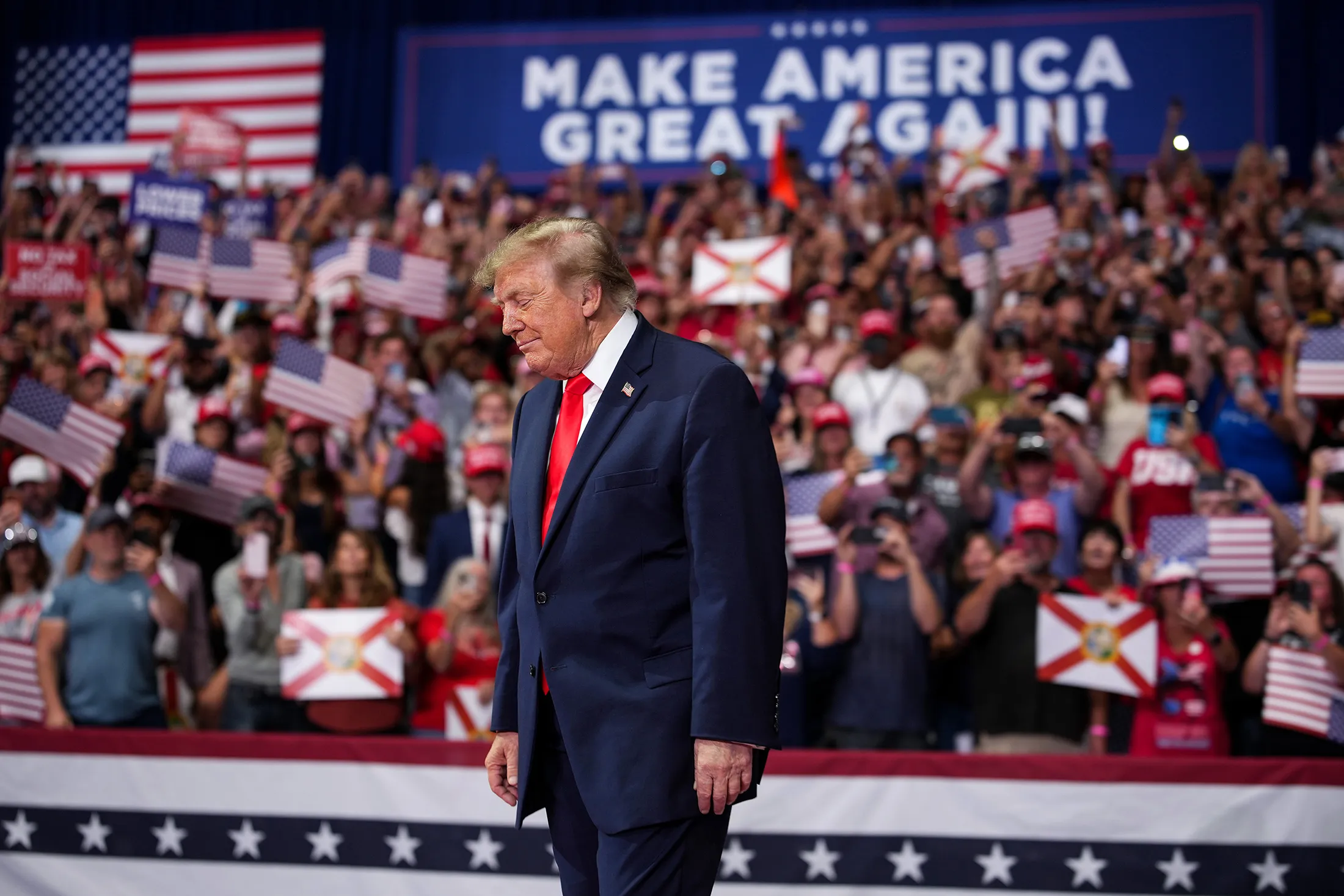
- Tuesday marks the US midterm elections, with polls indicating that Democrats are likely to take control of the House and have a chance for the Senate.
- AI-linked firms faced another wave of selling as Wall Street giants signaled they would continue investing heavily in data centers and chips, despite investor impatience for returns.
- Analysts estimate that these firms are on track to spend more than US$700 billion on capital investment this year, much of it on AI infrastructure.
Asian stocks experienced a mixed performance on Monday, following a significant selloff in the tech sector. Investors are reacting to disappointing earnings from major companies, including Amazon and Alphabet, which have raised concerns about the sustainability of AI spending.5678
The tech sector's struggles were highlighted by a nearly three percent drop in the Nasdaq, with Asian tech stocks also feeling the pressure. Kioxia, a Japanese chipmaker, saw its shares plunge over 15 percent after issuing a cautious outlook, reflecting broader investor anxiety about tech valuations.
Analysts estimate that major firms, including Meta and Microsoft, are on track to spend over US$700 billion on capital investments this year, primarily focused on AI infrastructure. However, this has led to fears that the massive investments may have been excessive, especially as only 70 percent of companies in the S&P 500 topped revenue expectations this earnings season, down from over 80 percent previously.12
Market volatility has surged, with the Cboe Volatility Index reaching its highest level since April, indicating rising investor stress. Despite this, some analysts, like Morgan Stanley's Mike Wilson, suggest that this could present buying opportunities, as the market undergoes a bullish rotation rather than a broad downturn.
As the US midterm elections approach, the uncertainty surrounding tech earnings and AI investments continues to weigh heavily on market sentiment.
“AI-linked firms face another wave of selling as Wall Street giants signal continued heavy investment in data centers and chips, with combined capital expenditure expected to exceed $700 billion this year. Meanwhile, Apple reclaimed the world's most valuable company title, taking it from Nvidia as investors seek safety.”