
- AI glasses are redefining travel by becoming tour guides, translators, and photographers, but their ethical concerns cannot be overlooked.
- Technology companies are betting that artificial intelligence belongs on your nose, with products from Meta, Google, Apple, and Samsung leading the charge.
- AI glasses promise to remove the friction often encountered in travel, acting like an impossibly well-read local friend.
- However, the same glasses that help identify Renaissance paintings could also be constantly recording the people around you, raising privacy concerns.
- Facial recognition, always-on cameras, and microphones raise uncomfortable questions about privacy in public spaces.
- A recent GSMArena poll asked users if they are using smart glasses in their day-to-day lives, highlighting the growing interest in this technology.
- Battery life remains limited, and internet connectivity is inconsistent in remote areas, posing challenges for users.
- Travel's greatest joy often lies in getting lost, raising the question of whether instant answers diminish the magic of exploration.
- Smart glasses have been labeled as the 'next frontier' in technology, with major companies trying to carve out their space.
AI glasses are revolutionizing travel, acting as personal tour guides and translators, enhancing experiences in cities like Prague and Kyoto. However, their privacy implications are significant, with concerns over constant recording and surveillance. Major tech companies, including Meta, Google, and Apple, are competing to create lightweight, user-friendly designs.13
These glasses can provide real-time translations and navigation, enriching the travel experience. For instance, they can transform menus from Japanese to English or guide users to hidden gems without needing to look at a phone. Yet, the technology raises ethical questions, particularly regarding facial recognition and the potential for misuse in public spaces.5
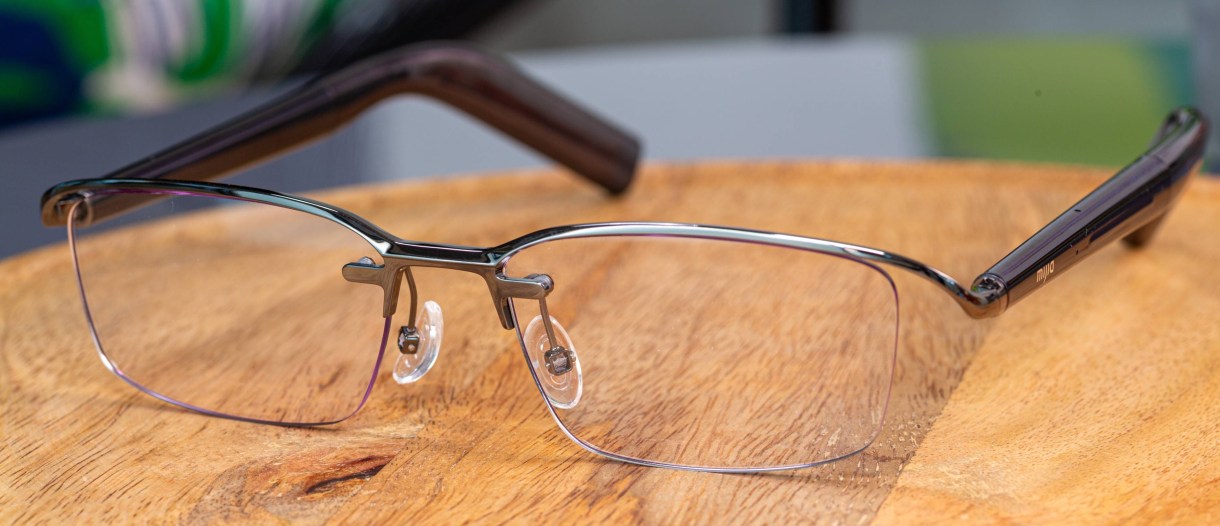
As Meta leads the charge with its Ray-Ban smart glasses, which can record audio and video, critics argue that such features could infringe on personal privacy. Meta has sold millions of units despite these concerns, indicating a strong market demand. However, privacy advocates are pushing for regulations to ensure that users are aware when they are being recorded.9
The debate continues: can AI glasses enhance travel without compromising privacy? As technology evolves, the challenge remains to balance innovation with ethical considerations.

“As technology develops and has the capacity to increasingly collect everything about all of us all the time, then that's where policy needs to come in,” says Justin Brookman of Consumer Reports.
With the travel experience at stake, the future of AI glasses will depend on how these privacy concerns are addressed.4
“Meta has added anti-tamper features that disable the glasses if a user meddles with recording indicators, and it plans camera-free models. Privacy advocates are backing a California senate bill that would require visible indicators on devices recording audio or video and prohibit disabling them.”




